The Three-Line Alert: Making Your Child’s GP Record Useful Before a Difficult Appointment
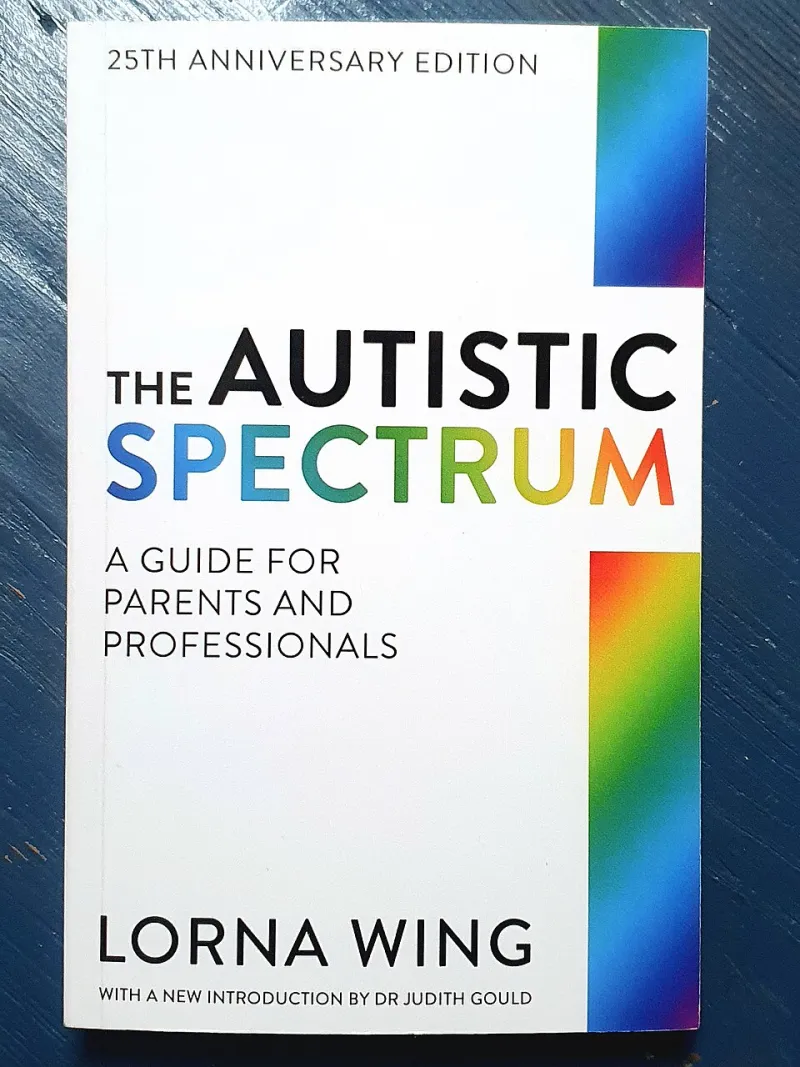
Photo: Malephi, Public domain, via Wikimedia Commons
A GP surgery is often a series of small hurdles before anyone reaches the consulting room: the phone queue, the check-in screen, the waiting room, the blood pressure cuff, the question that arrives too quickly. For an autistic or otherwise neurodivergent child, those hurdles can stack up fast. A reasonable-adjustments flag on the GP record is one way to stop the same explanation being rebuilt from scratch every time.
It is not a diagnosis badge. It is not a full history. Done well, it is a short, practical note that helps a reception team, nurse or GP understand what makes access easier — before the hard day arrives.
What a GP flag actually is
A flag — sometimes called an alert, a reasonable-adjustments record or a care note — is a brief marker on your child’s GP record. In England, there is a national reasonable-adjustments flag; practices in other parts of the UK may use their own local alerts. The wording varies, but the idea is the same: it gives staff a prompt about access needs.
It might say something like:
- “Please offer the first appointment of the day where possible; the waiting room is difficult when busy.”
- “Explain before any physical contact. Needs a countdown before blood pressure.”
- “Phone calls are hard. Text or letter is better for appointment reminders.”
What it should not be is a dumping ground for every report, letter and worry. A flag works best when it is short enough for a busy clinician to read and specific enough to change what happens next.
Who can ask — and where to start
A parent or carer can ask for a flag for their child. A young person can also ask for themselves, and as they get older their consent and privacy should be part of the conversation.
You do not need a new diagnosis letter to make the request. GP practices have duties under the Equality Act 2010 to make reasonable adjustments for disabled people, and that includes autistic children and young people. Many practices already have a process; some do not. Start with the practice manager or your GP and ask a plain question: “Does the practice use a reasonable-adjustments flag or alert? What do you need from us to add one?”
If the first person you speak to is unsure, ask who owns the process. It is fine to follow up in writing so there is a record of the request.
The details that help on a bad day
A useful flag describes function and action, not labels. “Autistic” may be true, but it does not tell a receptionist what to do. “Cannot wait in a crowded room; please offer a quiet corner or ask us to wait outside” gives them something workable.
Try to keep it to three to five lines. Good candidates include:
- Waiting: quiet space, first appointment, or permission to wait outside.
- Communication: written questions, yes/no options, extra processing time, or no phone calls.
- Physical contact: warning before examination, explaining equipment, or a preferred order of checks.
- Transitions: calling the family in before the appointment time if the room changes.
- Escalation: a named contact or a phrase like “if distressed, please give space and do not crowd.”
Leave out anything that does not change access. School reports, full medication histories and detailed family background belong elsewhere. The flag is a signpost, not a file.
Ask without handing over the whole story
You can request an adjustment without explaining every diagnosis, trauma or difficult experience. A simple framing helps: “This is about access, not a full history. The main points are…”
It is also reasonable to ask three practical questions:
- Who will see the flag — reception, nurses, GPs, out-of-hours services?
- Where does it appear in the record?
- When will it be reviewed?
Ask for a copy of the wording once it is added. That way you can check it is accurate and not over-sharing. If something feels too revealing, ask for it to be phrased more narrowly. “Needs extra time to answer questions” may do the same job as a long explanation about anxiety.
Review it when things change
Needs move. A child who could not manage the waiting room at seven may cope at ten with ear defenders and a plan. A young person who once needed a parent to speak for them may now want to lead the appointment. A flag that never changes becomes background noise.
Ask for a review date, or diarise one yourself. After a big transition — a new school, a medication change, a move to adult services — check whether the wording still fits. Update it if the child now needs something different. Remove details that are no longer true. If the young person is old enough, ask what they want on their record and what they would rather keep private.
Keep the flag in its lane
A GP flag is a prompt inside one system. It does not replace a one-page profile, and it does not travel automatically to hospital, dentistry or urgent care. Keep your own notes for patterns you notice. Keep a short profile for appointments you attend. If the flag and the profile say different things, ask the practice to update the flag rather than assuming everyone has read the full picture.
Reasonable adjustments are not special treatment. They are the practical conditions that let a child access the same appointment as anyone else. A good flag is short, specific, current and owned by the family. If it makes one difficult morning calmer, it has earned its place on the screen.
This is general guidance for UK families. For advice about your child’s specific record, speak to your GP practice or your child’s clinical team.