More Than a Tick Box: School Vaccinations When Your Child Needs Extra Time
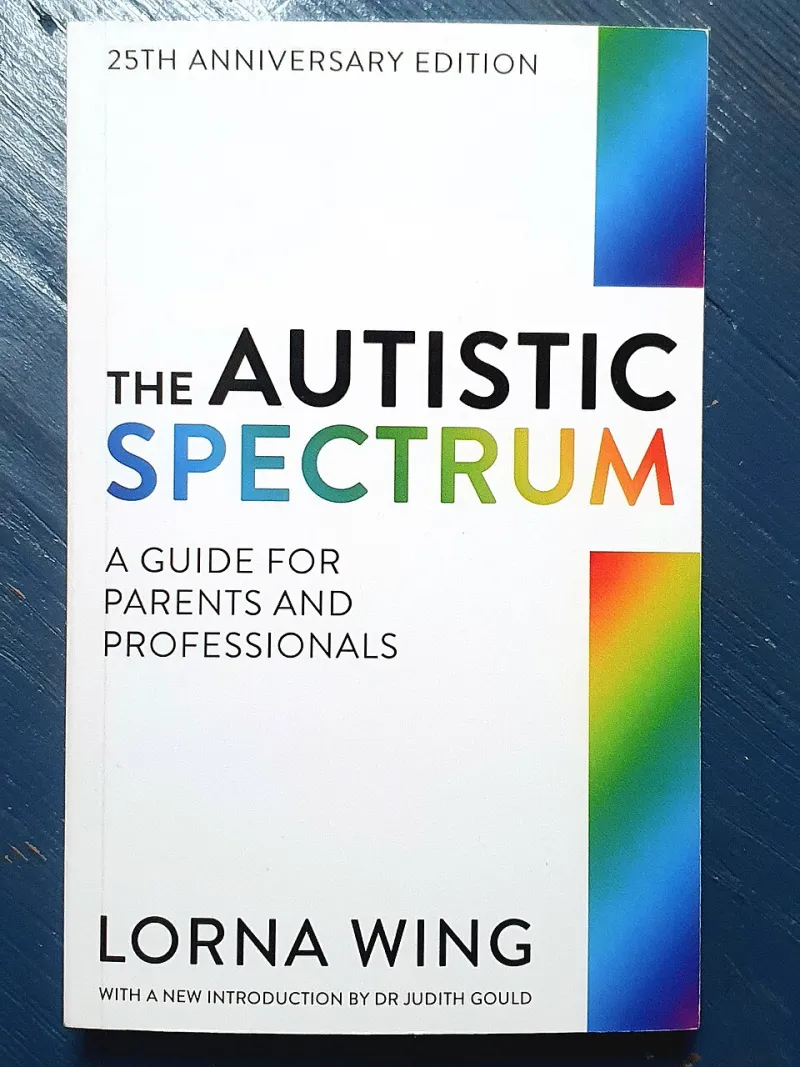
Photo: Malephi, Public domain, via Wikimedia Commons
The form arrives in the book bag with very little ceremony. One day it is a reading record and a permission slip for a museum trip; the next it is a letter about flu spray, HPV or the teenage booster, with a tick box and a deadline. For many families, that is simply admin. For a child who finds waiting rooms, queues, surprises or medical appointments difficult, it can feel like a lot more.
It helps to treat the form as the beginning of a conversation rather than the final answer. In the UK, school vaccination programmes are usually delivered by a local immunisation team working with the school. They are used to questions, and they can often make adjustments if they know about them early. You do not have to write a long essay in the margin. A short email or phone call is enough to start.
Start with the form, not the answer
Before you tick yes or no, check what the form is actually asking. Is it for the nasal flu spray, an injection, or a catch-up programme? Is there space to add information about additional needs, anxiety or communication? If not, contact the school office and ask how to pass details to the immunisation team. You can say something like: ‘My child is autistic and needs a quieter start to the session. Who is the best person to discuss this with?’
You are not asking for a favour. Under the Equality Act 2010, schools and health services have a duty to consider reasonable adjustments for disabled children. That can include autistic pupils and children with developmental anxiety. The adjustment does not have to be elaborate. It just needs to remove a barrier that would otherwise make the appointment harder than it needs to be.
Questions worth asking the immunisation team
A few practical questions can turn a vague worry into a workable plan:
- When is the session, and will my child be called with their whole class or in smaller groups?
- Where will it take place — hall, classroom, medical room — and what will the waiting area be like?
- Can my child be seen first, last, or at a quieter point in the session?
- Is there a separate room available if the main space is too much?
- Can a familiar adult stay nearby, or can I attend if that is agreed?
- What happens if my child needs to pause or stop?
- For injections, can my child choose which arm, and is a numbing cream or distraction allowed?
- If the nasal spray is refused on the day, what alternatives are discussed with families?
You do not need to ask all of these at once. Pick the ones that matter for your child. Write down the answers if that helps, and ask for the plan to be shared with the staff who will be on the day.
Reasonable adjustments that often make a difference
Every child is different, but some adjustments come up again and again. A quiet place to wait can matter more than the vaccination itself. So can knowing the order of events: walk in, sit down, listen, have the spray or injection, choose a sticker, leave. A visual sequence or a short social story can do a lot of the preparation, especially if it uses photos of the actual room or the actual nurse where possible.
Other useful options include avoiding a crowded corridor, having headphones or a comfort object, agreeing a signal for ‘I need a minute’, and not being asked to decide things in the moment. Some children cope better if they know exactly how long something will take; others prefer not to count down. Ask your child what they would find easier, even if their answer changes later.
It is also fine to ask that the staff do not use surprise as a strategy. ‘It will be over before you know it’ is meant kindly, but for a child who needs predictability, it can feel like the ground moving. Clear, honest language usually works better: ‘This is the spray. It takes a few seconds. You can hold my hand. Then we are done.’
Preparing at home without over-rehearsing
Preparation can be gentle. You might look at the school’s letter together, draw a simple timeline, or practise the words your child can use if they want to pause. If your child is old enough, talk about what the vaccination is for and what it does not do. Keep it factual and brief. You do not need to turn the kitchen table into a clinic.
Try to avoid building the day up as a test of bravery. A child who is frightened is not being naughty, and a child who goes ahead is not ‘good’ in a way that others are not. The aim is to give them information, choices where possible, and a way to communicate if things feel too much.
Consent, assent and the right to pause
Consent forms can make the decision sound very black and white. In reality, families often hold both things at once: they want their child protected, and they want their child to feel safe. If your child is old enough to understand, their views matter. You can talk about what they want, even if the formal consent sits with you as a parent or carer.
If your child is likely to refuse on the day, tell the immunisation team in advance. They may have a plan for a quieter appointment, a different setting or a later date. A refusal at school is not usually the end of the story. It is information. It tells you what support is needed next time.
If you decline, delay or miss the day
Declining or delaying is allowed. You do not owe anyone a dramatic explanation. If you are unsure, ask for the information you need and a realistic deadline. If your child is ill or absent, contact the school office and ask how catch-up vaccinations are arranged in your area. This might be through another school session, a community clinic or your GP, depending on the programme.
If you decide to decline, it can still be worth asking what would make a future appointment more manageable. That keeps the door open without pressure. If you are worried about a specific ingredient, a medical condition or a previous reaction, speak to your GP or the immunisation team rather than relying on the tick box alone.
After the appointment
Plan a low-demand rest of the day if you can. Some children want to talk about it immediately; others will not mention it for a week. Both are normal. Praise the parts that were hard — waiting, asking for a pause, going into the room — rather than only the vaccination itself. And if it did not go well, that is useful information for the next health appointment, not a failure.
The form in the book bag is a starting point. With a little early contact, a few clear questions and a plan that fits your child, school vaccination day can become something you prepare for together rather than something that simply happens to you.
This is general guidance for families in the UK, not medical advice. If you have questions about a specific vaccination, speak to your GP, school immunisation team or another qualified health professional.