The Waiting Room Is Part of the Appointment: A Realistic Checklist for Calmer UK Clinics

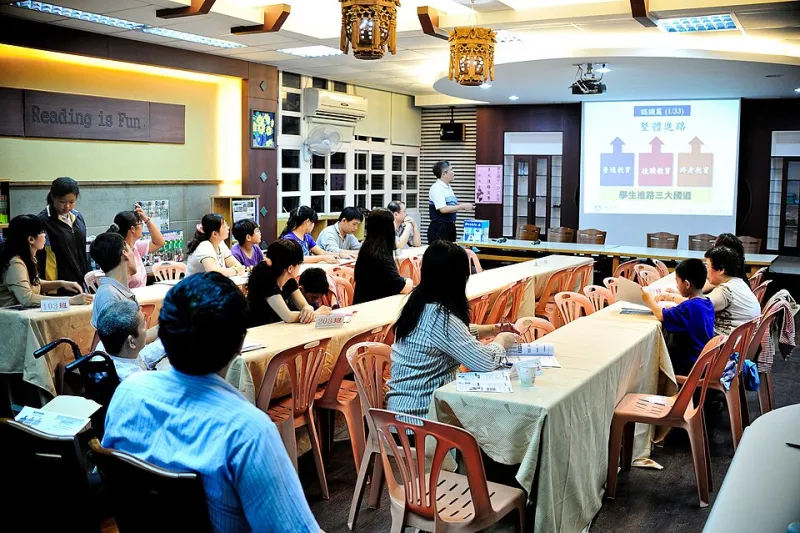
Photo: quiet empty NHS clinic waiting room with soft natural light and simple chairs, via www.pinclipart.com
There is a moment that repeats itself in clinics up and down the country. A family arrives fifteen minutes early because that is what the letter said. They sit in a corridor under a flickering fluorescent panel, next to a vending machine, opposite a wall-mounted television playing a rolling news loop at a volume nobody has adjusted since 2019. By the time they are called, the child has already used up everything they had.
We then assess them. We remark on the dysregulation, the tears, the silence, the bolting for the door — and we write it down as if it were a characteristic of the child rather than a characteristic of the room.
The waiting room is not separate from the appointment. It is the first ten minutes of the data.
What the environment is telling families
We tend to think of reasonable adjustments under the Equality Act 2010 as something that happens in the consultation itself, or as an equipment request that goes to estates and comes back a year later. In practice, most of the adjustment available to us is environmental and cultural, and much of it costs nothing at all.
A family walking into a health setting is reading it constantly. Is anyone expecting me? Will I be told off for being here early? Is there anywhere to sit away from the crowd? Will the noise stop? For a child who cannot yet read those signals, the answers are felt rather than understood — and the felt answer is usually no.
Lighting
This is the single most under-discussed irritant in NHS buildings.
- Ask estates whether overhead fittings in the waiting area can be moved to warm-white, diffuser-fitted units, or whether a row can simply be switched off.
- Where a dimmable circuit exists, use it during known quiet periods and loud-avoidance clinics.
- Turn off or cover any decorative LED strip with a chase effect. Nothing that flickers, pulses or cycles.
- Provide at least one corner away from the brightest source, with a seat that faces a wall rather than open space.
- Keep the blinds working. Natural light is free and it regulates people.
Sound
- Switch off the television. If it cannot be switched off, mute it. Nobody has ever settled a distressed child with daytime television.
- Lower the clinical call system volume and check it is not audible through the door at full pitch.
- Put a small basket of foam ear defenders and disposable earplugs by reception, with a laminated sign inviting people to help themselves.
- Move any printer, photocopier, hand dryer or bleeping equipment out of the waiting zone, or service it if it has developed a whine.
- Agree a 'quiet slot' — even twenty minutes, once a day — that is advertised in the appointment letter.
Waiting-time communication
Most distress in waiting rooms is not caused by waiting. It is caused by not knowing.
- Give an approximate delay on arrival at reception, spoken and written on a small card.
- If delays exceed fifteen minutes, tell people without being asked.
- Make the order of call visible: a wipe-clean board saying roughly how many appointments are ahead, or 'you are next'.
- Never call someone by full name if they have asked not to be; agree the name to use at booking.
- Offer to text or ring a family so they can wait outside, in the car or on a quiet bench, rather than in the room. This costs nothing and is transformative for many families.
Visual supports that survive contact with reality
Laminated boards get lost, stolen, licked and left in corridors. Design for that.
- A simple now/next board at the appointment desk, not just in the paediatric folder nobody opens.
- A photograph of the actual room and the actual person they will meet, if your service can manage it.
- One wide-aperture, low-clutter visual showing the route: reception, waiting area, room, out.
- Put them in a wipe-clean folder with the date on the back so you know when to replace them.
The words staff use
This is the part most teams can change by Monday.
- Brief reception staff on neurodivergent communication: less eye contact pressure, literal language, one instruction at a time, allow processing time before repeating.
- Agree a script for the phrase 'we will not be long', which is a lie everyone tells and many children take literally.
- Train everyone to ask what a family needs before the appointment, not at the door.
- Add a question to the booking template: 'Is there anything that would make your visit easier?' Then actually ask it.
The constraints are real, and they are not a reason to do nothing
Let us be honest about the obstacles. Estates departments are stretched thin and a lighting change can mean an electrical contractor, a compliance sign-off and a four-month wait. Listed buildings, fire doors and infection control rules all limit what can be placed in a corridor. Reception is often the busiest and least empowered team in the building. Clinic slots are ten minutes and the rota does not stretch.
None of that undermines the case for small changes; it simply narrows them. Muting a television, texting a family to wait outside, saying how long the wait will be, moving one chair — these are all within reach this week. The reasonable adjustments duty is not an aspirational statement about the building we wish we had. It applies to the building we have.
A realistic starting order
If you do nothing else, do these three, in this sequence.
- Kill the noise. Television off, call system down, ear defenders on reception.
- Tell people the truth about waiting. Approximate times, spoken and written, updated without being asked.
- Offer the exit. Let families wait outside, in a car or a quiet corner, and text them.
Then walk the journey yourself, from the front door to the consulting room, ideally with a parent on a busy morning. You will spot more in fifteen minutes than in a year of meetings — and you will probably want to start with the light fittings.