What the Hand Dryer Does to a Morning: Rethinking School Toilets With Sensory-Sensitive Pupils
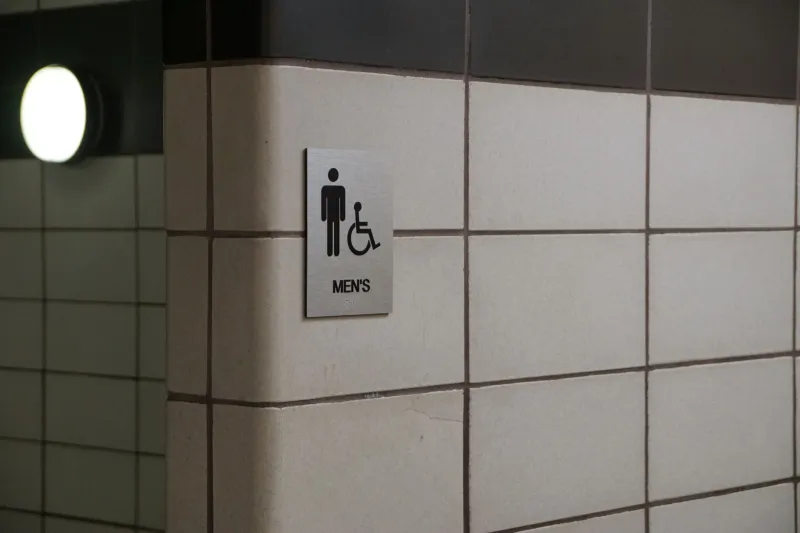
Most school improvement conversations focus on classrooms, corridors and lunch halls. The toilets rarely get a look-in. Yet for some autistic and sensory-sensitive pupils, the toilet block is the hardest part of the day: a room full of unpredictable noise, harsh light, smells, queues and locks. If a child is avoiding the loo, dashing home, or holding on until 3.15pm, the environment is part of the story. This is not about fussiness or control. It is about a nervous system doing a lot of work in a small tiled space.
Start with the room, not the refusal
When a pupil refuses to use the school toilet, the first instinct can be to look at the child. A sensory lens asks a different question: what is this room asking of them? Hand dryers can fire without warning. Fluorescent lights can hum or flicker. Every flush echoes. The queue outside the cubicle may be visible, noisy and socially loaded. A lock might be stiff, a door might not close properly, or the hand dryer might be the only option after washing. Add in the pressure of a short break and the fear of being late, and a simple bodily need becomes a complex task. Avoidance is often communication. It may say: too loud, too bright, too public, too unpredictable, or too much.
A walk-through, not a surprise inspection
Families and SENCOs do not need a full building survey to make progress. They need a shared walk-through at a quiet time, and ideally a second look during a busy break. If the pupil is comfortable, invite them to join. Their view is the most useful data you have. The aim is not to demand a refurbishment, but to spot the friction points and agree a small trial. Keep the language collaborative: we are auditing the room together, not inspecting the school.
The checklist: what to look at together
- Sound: hand dryers, echoing flush, door closers, bells, queuing chatter and the difference between quiet and busy times. Ask whether dryers can be switched off at agreed breaks, with paper towels available instead.
- Light: flicker, glare, sensor lights, dark cubicles and whether one cubicle could have softer lighting or a less intense bulb.
- Smell and air: air fresheners, cleaning products, ventilation and whether smells linger. Some pupils notice this long before adults do.
- Space and layout: where the queue forms, whether waiting can happen out of the main flow, cubicle size, door opening, coat hooks and bins.
- Privacy and locks: easy-to-use locks, clear vacant and engaged signs, door gaps and whether the pupil feels exposed. Privacy is a sensory and emotional issue, not a minor detail.
- Access and timing: whether the pupil can go outside the busiest break, how they ask, whether a pass is discreet, and what happens if they need to leave a lesson.
- Predictability: photos of the route, a visual sequence, a named quiet toilet and a consistent adult who can check in without making the child feel watched.
- Pupil voice: what the child says would make the room 10 per cent easier. Their answer may be surprisingly practical: a different cubicle, a paper towel, a quieter time or a door that shuts properly.
Language that asks for adjustments without a fight
Requests land better when they are specific, modest and time-limited. Try: 'We would like to request a reasonable adjustment for [child]. We are not asking for a refurbishment. Could we trial three changes for six weeks and review them together?' Then name the changes. For example: 'Could the hand dryers in the Year 5/6 block be switched off during morning break, with paper towels available?' 'Could my child use a named quieter toilet at agreed times, with a pass that does not announce why?' 'Could we add a visual sequence and photos of the route?' 'Could a trusted adult check in briefly after the transition, without asking whether they have been?'
It helps to copy the SENCO, the headteacher and, for building issues, the site team. Keep a dated record of what was agreed and when it will be reviewed. A short email after the meeting is enough. The tone that works best is calm and concrete: here is the barrier, here is a low-cost trial, here is when we will look at it again.
When avoidance has become a pattern
If the pupil is regularly holding on, rushing home, or becoming distressed, make a plan rather than a punishment. Start with a low-demand conversation: 'I have noticed the toilets seem hard work. What would make them easier?' Agree a predictable route, a quieter time, and an exit phrase. A toilet pass can be useful if it is discreet; it should not become a badge of difference. Do not restrict drinks to reduce toileting, and do not make toilet use a reward chart target. If there are physical signs such as pain, constipation, urinary symptoms or repeated accidents, speak to the GP. Sensory avoidance and physical health can overlap, and both deserve attention.
A two-week plan that fits real school life
Day one: write down what you notice at home without judgement. Week one: ask the SENCO for a 20-minute walk-through, ideally before school or at a quiet break. Take the checklist and the pupil's own words. Week two: agree one or two low-cost changes and a review date. Keep a simple log: date, time, room, what happened, what helped. Share it with school. Review after a half-term, not after one difficult morning. If the first trial does not work, adjust the environment again rather than blaming the child.
The takeaway
A school toilet should not cost a pupil their morning. Small changes to sound, light, access and predictability can make a daily barrier feel manageable. Families and SENCOs do not have to agree on everything to start with the room. Walk through it together, ask the pupil what they notice, and trial something small. The goal is not a perfect building. It is a school day where a basic need is not a source of dread.